Managing Bulk & Units
See how to convert crates to individual units seamlessly without losing track of your margins.
Publish by:
Samuel Olaniide
Date:
December 2024
Read time:
2 min read

Publish by:
Samuel Olaniide
Date:
December 2024
Read time:
2 min read
The Bulk vs Unit Challenge
Many retail and distribution businesses buy in bulk — crates, cartons, bags — and sell in smaller units. The challenge is tracking inventory accurately when your purchase unit and your selling unit are different. Manual conversion leads to counting errors, missing stock, and margin leakage.
Ovaloop's Unit Conversion Feature
With Ovaloop, you define your product in both its purchase unit and its selling unit at setup. A crate of eggs becomes 30 individual eggs. A bag of rice splits into kilogram portions. Each sale deducts the correct fraction of your bulk inventory automatically, with no manual arithmetic.
"I finally know exactly how many units I have at any time. No more guessing at the end of the day."
— Tunde B., Distributor
Protecting Your Margins
The unit price you set for individual sales should always account for the bulk purchase cost plus your target margin. Ovaloop's profit reporting tracks this automatically — so you can see at a glance whether your bulk-to-unit pricing is working or needs adjustment.
Table of content
01
The Bulk vs Unit Challenge
02
Ovaloop's Unit Conversion Feature
03
Protecting Your Margins
Related Articles
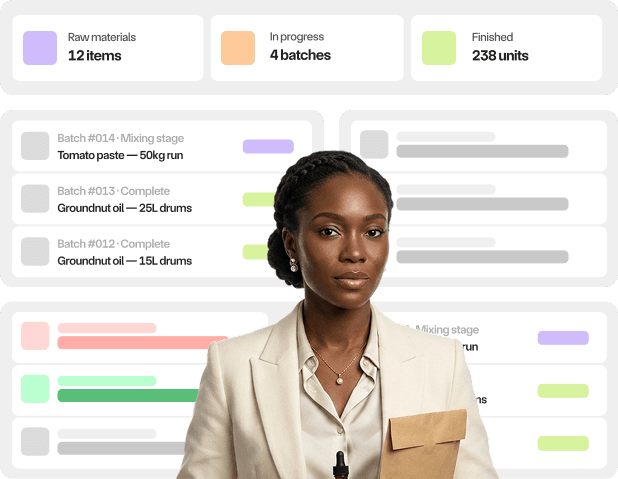
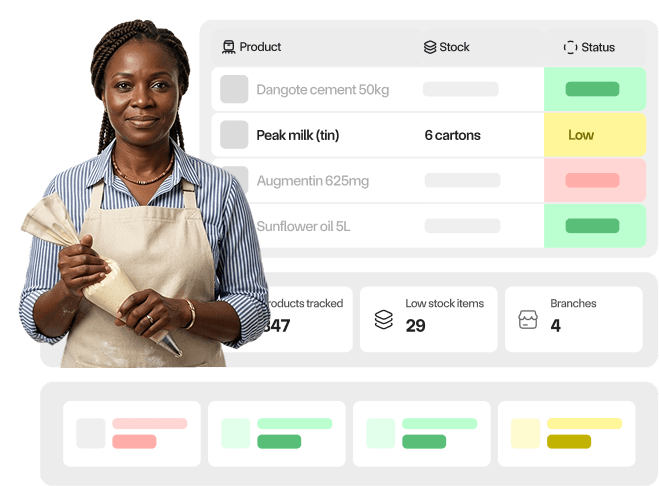
Practical tips for shops that want to run better.
Discover how automated reorder points and real-time low-stock alerts transform your inventory from a guessing game into a precision tool.
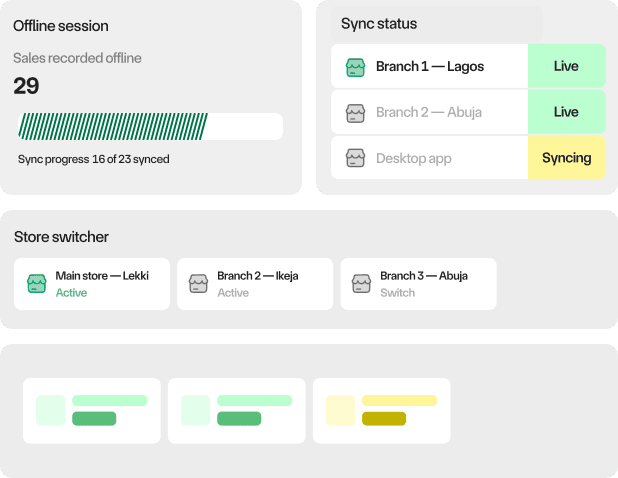
Introducing Offline Sync 2.0
Keep selling during internet outages with our enhanced local-first database architecture. Your sales data is safely saved in the browser and synced to the cloud.
The Power of Bundle Pricing
Learn how to use customer package deals to increase your average transaction value by 20%.
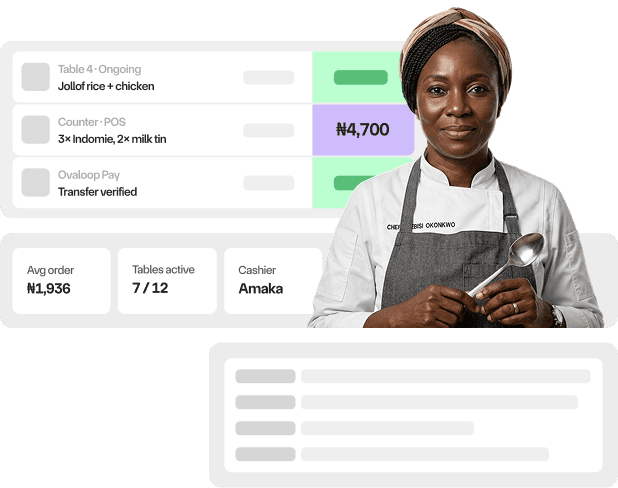
Winning the Transfer Payment Scam
Discover how instant bank verification (Ovaloop Pay) eliminates the fake alert scam at your counter.